Things to Do in Chiang Rai
Where white temples meet coffee hills and Akha kids sell bracelets
Top Things to Do in Chiang Rai
Find activities and tours you'll actually want to do. Book through our partners -- no booking fees.


Plan Your Trip
Essential guides for timing and budgeting
Climate Guide
Best times to visit based on weather and events
View guide →Day Trips
The best excursions and nearby destinations worth the journey
Explore day trips →Where to Stay
Best neighbourhoods, hotel picks, and booking tips
Find hotels →Travel Insurance
What's required, what coverage matters, and how to get a quote
Read guide →What to Pack
Climate-specific gear, essentials, and what to leave at home
See packing list →When Should You Visit Chiang Rai?
Tap a month for weather, crowds, and highlights
View full year-round climate guide →

Your Guide to Chiang Rai
About Chiang Rai
Chiang Rai greets you with diesel fumes and the sharp-sweet perfume of roasting beans the instant you step off the Greenbus at Terminal 1. The city never performs for cameras. Clock tower lights up at 8 PM sharp. Blue Temple's mirror mosaics duel with the sky itself. Saturday Night Market sprawls down Thanalai Road so far you hear the 20-baht khao soi stall before spotting it.
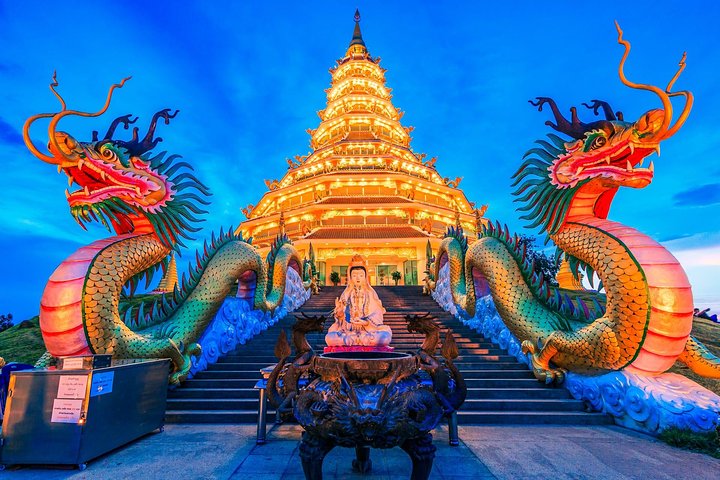
Old town around Wat Phra Kaew still runs on temple bells and motorcycle growl. Cross the Kok river to Rim Kok and discover cafes roasting Doi Chang beans that cost more per cup than dinner. White Temple matches every surreal Instagram promise. Real magic strikes at 5:30 AM. Monks glide along Jetyod Road collecting alms while you slurp 35-baht ($1) boat noodles from a cart that vanishes by 8.
Trade-off arrives March through May. Mountains disappear behind smoke. Everyone shares the same throat-clearing cough. Come November through February. Air turns crisp enough to spot Doi Tung from your guesthouse window. Rice fields burn gold. You'll grasp why travelers planning two days linger two weeks.
Travel Tips
Transportation: Songthaews to the White Temple depart the old bus station every 20 minutes. Fare is 20 baht (60 cents) each way. Ignore tuk-tuk mafia demanding 200 baht. Download Grab before landing. It outperforms Uber and delivers you from airport to town for 120 baht instead of 300. Rent a motorbike at ST Motorcycle on Phahonyothin Road for 200 baht per day. Check the brakes first. I've watched tourists discover their rear brake is decorative halfway up Doi Mae Salong.
Money: ATMs sting you 220 baht ($6.50) per foreign withdrawal. Take the maximum, usually 20,000 baht. Night bazaar money changers near the clock tower beat bank rates, for crisp US dollars. Most coffee shops and guesthouses now accept cards. The noodle lady at Chiang Rai's morning market remains cash-only. Her 35-baht ($1) khao soi justifies the ATM fee.
Cultural Respect: At the White Temple, cover your shoulders. Guards enforce this with 200-baht scarf sales. Remove shoes before entering any temple building, even market ones. When monks collect dawn alms on Jetyod Road, observe quietly from across the street unless you're Buddhist. Akha women selling bracelets near the bus station expect bargaining. Start at half their asking price, not 10%. They aren't tourists.
Food Safety: Thanalai Road night market treats stomachs and wallets kindly. Hunt stalls where locals queue, not tourists. The 20-baht som tam cart near the clock tower uses sealed water bottles, not tap. Skip unrefrigerated seafood at the morning market unless you witness fresh grilling. Mae Salong village coffee shops roast beans daily. The 80-baht ($2.40) pour-over at Sweet Maesalong tastes of altitude and morning mist.
When to Visit
November through February is Chiang Rai's golden window. Mornings open at 15°C (59°F). Afternoons peak at 28°C (82°F). Mountains appear instead of smoke. Hotel prices increase 50% December 20 through January 5. Book early or wait until January when rates drop 35%. March to May delivers burning season. Temperatures hit 38°C (100°F).
PM2.5 levels rocket past 300. Everyone wears masks, not for fashion but for breathing. June through September brings daily monsoon rains at 4 PM sharp. They're warm and brief. Hotel prices plunge 40-50%. October is the sweet spot. Rice fields turn golden. Waterfalls brim from monsoon rains. Sunday Walking Street along Thanalai Road remains tour-group free.
Late December Flower Festival transforms Mae Fah Luang Garden into something that looks photoshopped. August Akha Swing Festival reveals traditional hill tribe culture most travelers miss. Budget travelers should target May and September. Rooms costing 1,500 baht ($45) in December drop to 600 baht ($18). You'll own the White Temple at 7 AM.
Families favor December for cool mornings, though selfie sticks crowd viewpoints. Solo travelers love October: cool enough for trekking, cheap enough to linger, and fresh beans in every cafe during harvest season.
More Ways to Experience Chiang Rai
Tours, day trips, and local experiences curated by on-the-ground operators.
Didn't see anything interesting yet?
Browse Viator's full catalog of tours, day trips, food experiences, and private guides in Chiang Rai.
See All Chiang Rai Tours on Viator